


Thermowells and protection tubes
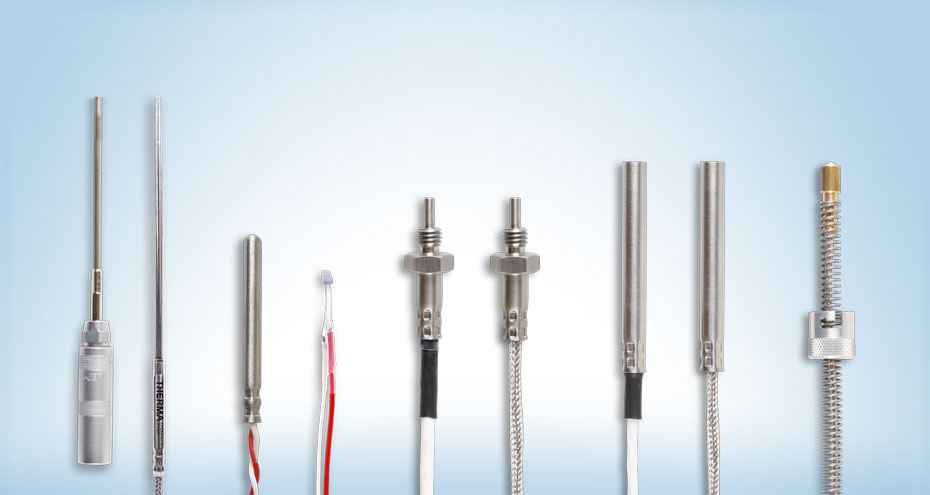
Order thermowells and protection tubes for every measuring point
A thermowell holds your temperature probe and separates it from the process medium, so you can replace the probe later without opening the measuring point. At Therma you order thermowells and protection tubes for almost any industrial application. From standard sizes to custom shapes, everything is made in our own production.
The range includes thermowells made of stainless steel and brass in various lengths, diameters and thread forms.
Many versions are kept in stock and ship within one week. Within Germany we deliver free of charge by UPS from an order value of 250 EUR.
Why buy directly from the manufacturer? You skip the middleman and match material, dimensions and connection to your thermowell right in the online shop. As a family business based in Lindlar, we have manufactured 100% by hand in Germany since 1991.

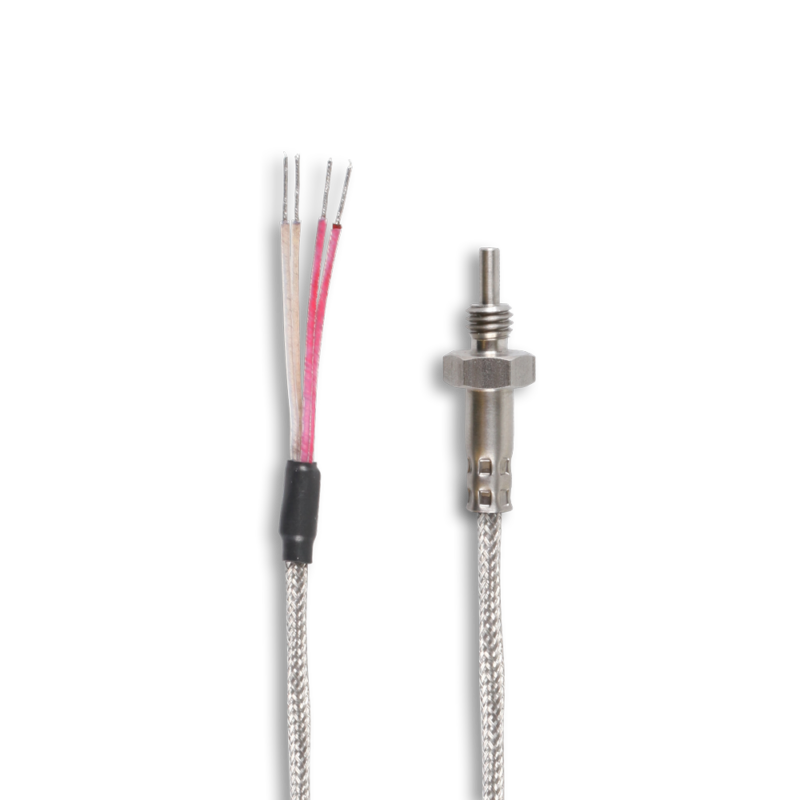


Other resistance thermometers
The right thermowell for your temperature probe
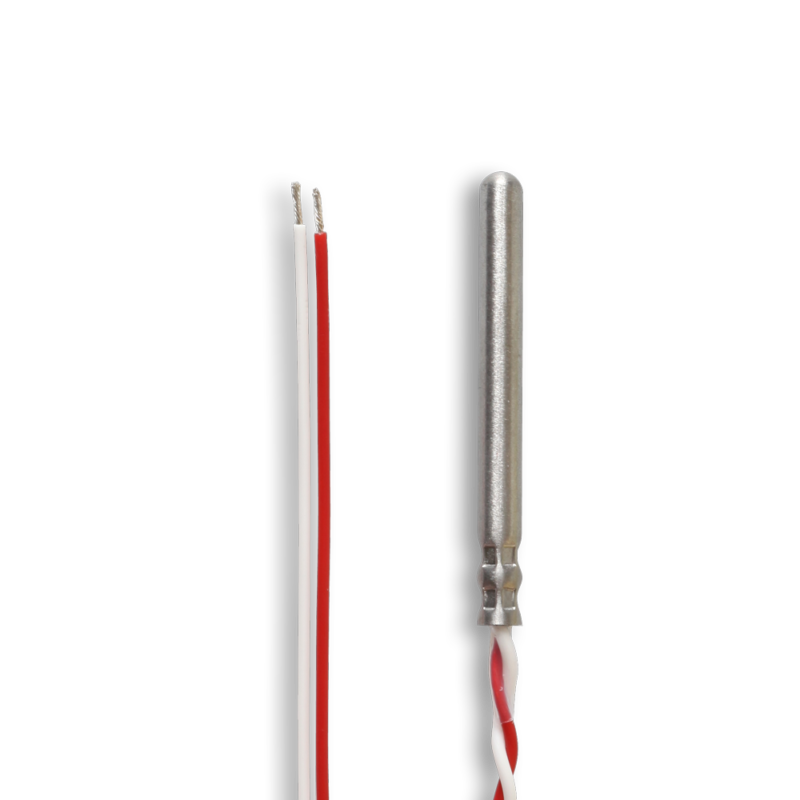
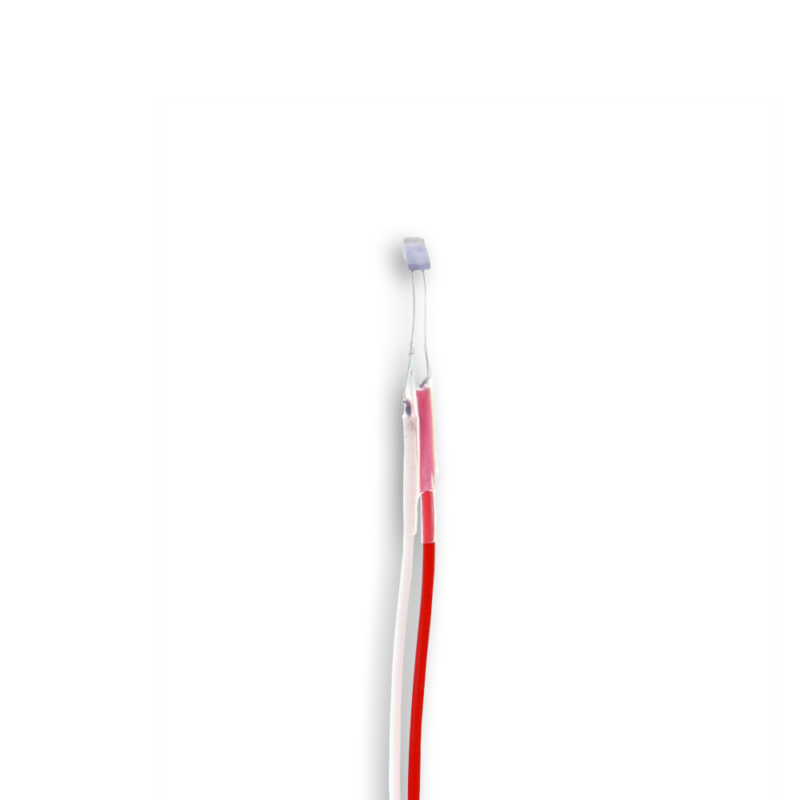
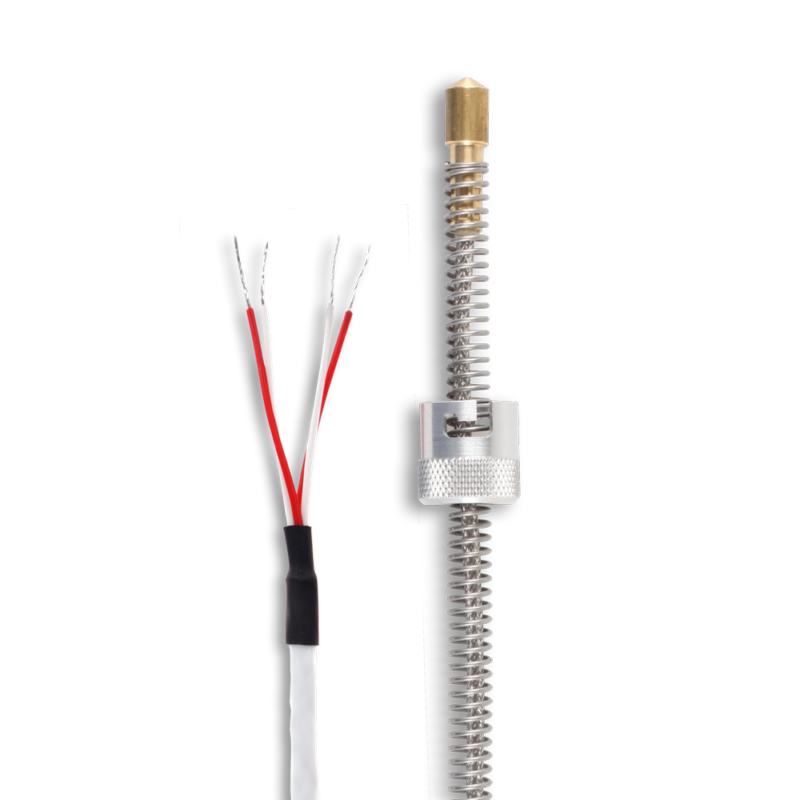
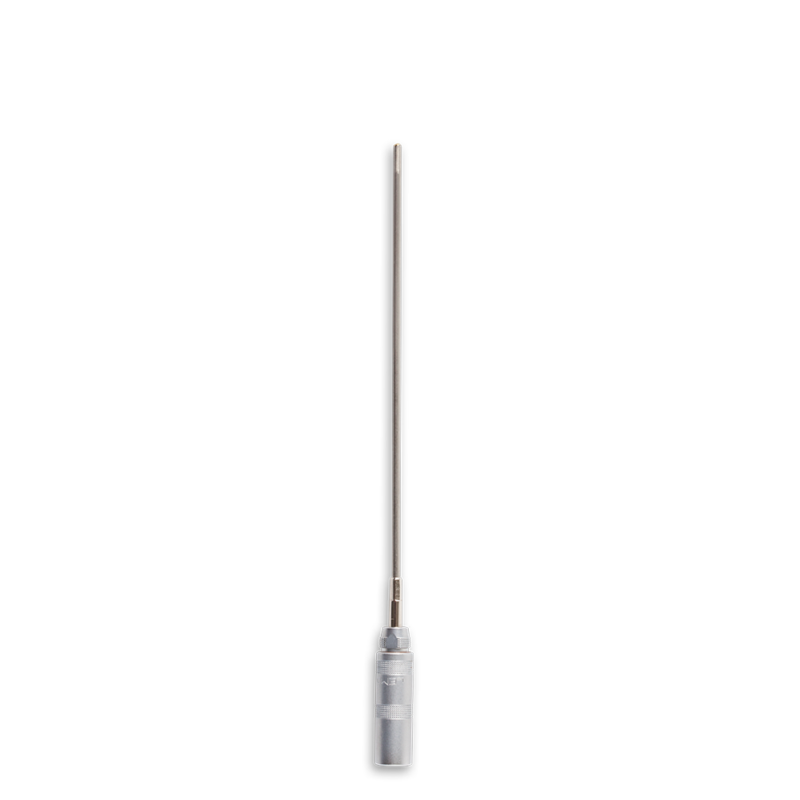
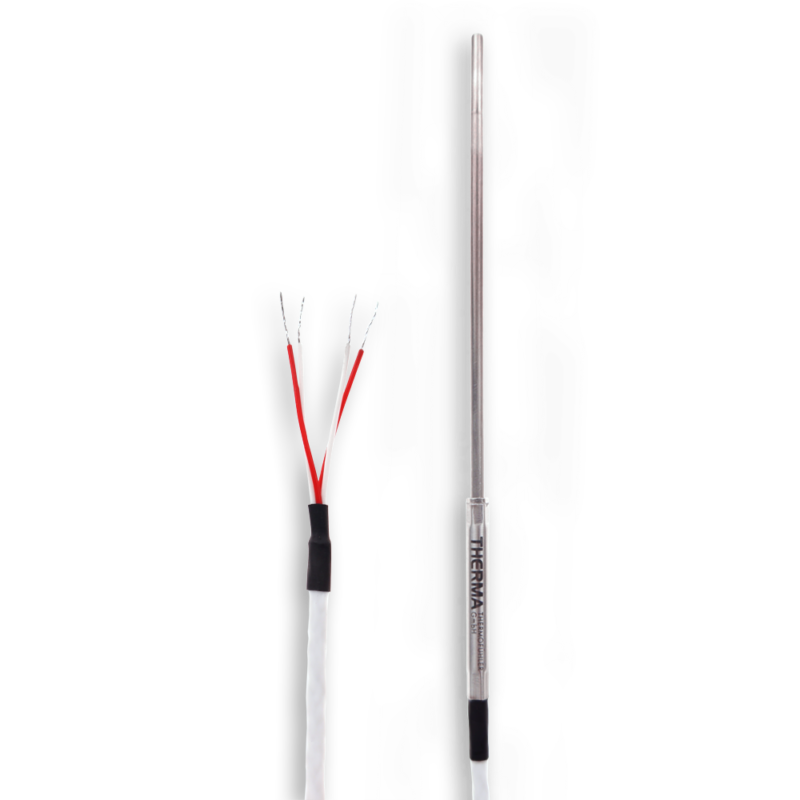
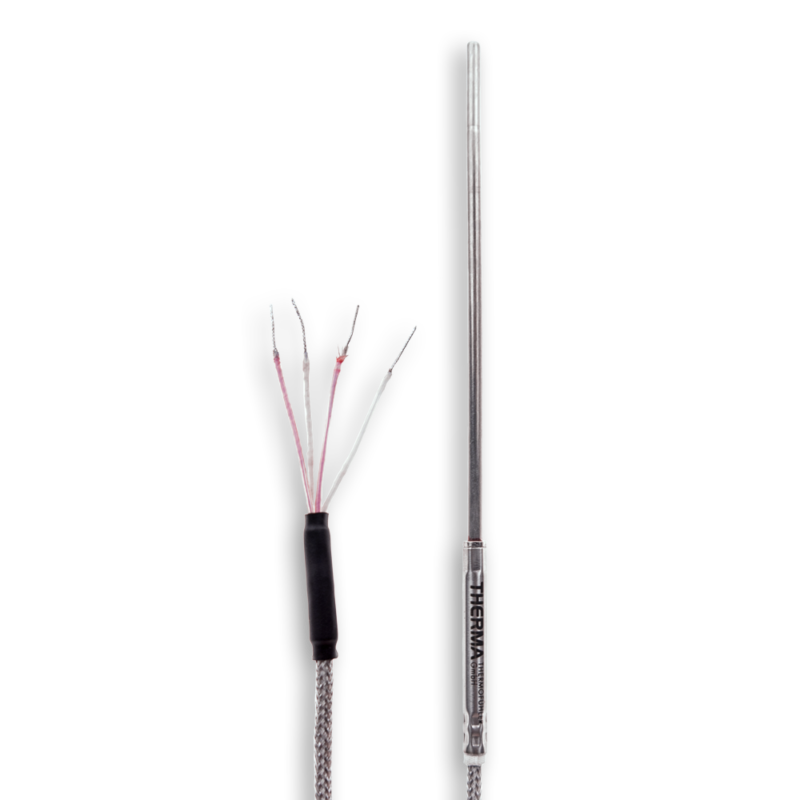
Which thermowell fits depends first on the installed temperature probe. A resistance thermometer with Pt100 or Pt1000 requires a different bore than a thermocouple. You will find suitable sensors in our range of resistance thermometers.
The decisive factor is the gap between probe and thermowell wall. The closer the bore sits to the probe diameter, the faster the thermowell transfers the temperature and the shorter the response time. A thermal paste improves the contact further.
How is the thermowell mounted? Thermowells for temperature probes come with a screw-in thread, a flange or for welding in. Tell us the probe diameter, thread and insertion depth, and you will receive the right thermowell for your measuring point.
Protection against pressure corrosion and wear in the medium
During operation, the thermowell protects the sensitive temperature probe from pressure, flow and aggressive media. What happens without this separation? The probe wears out quickly under vibration, high pressure or corrosive liquids. The thermowell therefore extends the service life of the entire measuring point considerably.
How much load a thermowell can take is ultimately determined by the material. A comparison of common materials and their typical limits helps with the choice:
| Material | Corrosion resistance | Temperature up to | Typical application |
|---|---|---|---|
| Stainless steel 1.4571 | very high | 600 °C | Chemicals, pressure vessels |
| Brass | medium | 250 °C | Water, heating, hydraulics |
| Ceramic | high | over 1000 °C | Furnaces, molten metal |
A stainless steel thermowell is suited to pressurised and corrosive processes, while brass scores with good heat transfer in water and heating applications. When it comes to high-temperature ranges, choose ceramic.
Protection tubes to DIN 43772 for industrial applications
Where thermowells reach their mechanical limits, protection tubes to DIN 43772 come into play. The standard defines designs, dimensions and pressure ratings for tubes that are permanently installed in pipelines, boilers or vessels. This keeps the measuring point safe even at high flow velocities and pressures.
For a thermocouple protection tube in high-temperature processes, we use materials such as Inconel that withstand over 1000 °C. We supply matching sensors right away, for example from our range of thermocouples. This way protection tube and probe are precisely matched.
If you need a custom shape, the protection tube is made to your drawing or STEP file. Every part is manufactured to ISO 9001 and UKAS-accredited certification, from the standard tube to the customer-specific design.
Planning insertion length and diameter for the measuring point correctly
How deep must a thermowell reach to measure reliably? As a rule of thumb, the thermowell is immersed about 8 to 15 times its outer diameter, otherwise heat dissipation distorts the reading. Insertion length and diameter should therefore match the measuring point early on, because insertion depths that are too short are among the most common sources of error.
The inner diameter follows the probe, and the bottom of the bore ensures direct contact with the tip. A spring-loaded mount presses the probe firmly onto the thermowell base and keeps the response time short. To secure it in the process, combine the thermowell with matching compression fittings.
If you are unsure about the design, our specialists will calculate the ideal insertion length together with you. Send us the data of your measuring point and you will receive a suitable thermowell from our own production with a short delivery time.
